
What is an Earthquake?
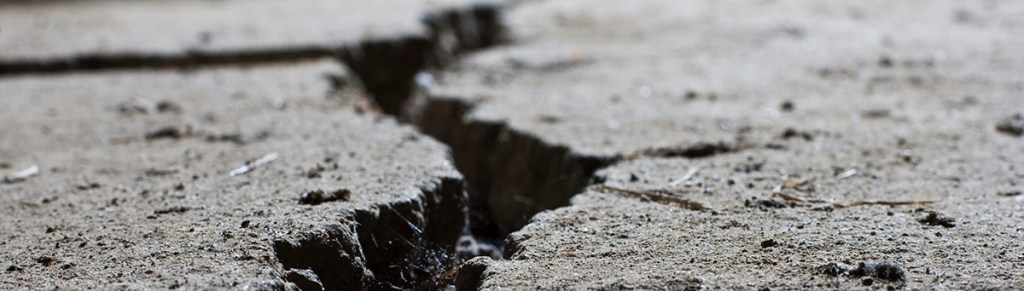
– An earthquake is an intense shaking of Earth’s surface. The shaking is caused by movements in Earth’s outermost layer. ( “What Is an Earthquake? | NASA Space https://spaceplace.nasa.gov/earthquakes/en/ ) -any sudden shaking of the ground caused by the passage of seismic waves through Earth’s rocks. ( https://www.britannica.com/science/earthquake-geology )
see the video here : https://youtu.be/dJpIU1rSOFY
What causes Earthquake and where do they happen?

The earth has four major layers: the inner core, outer core, mantle and crust. The crust and the top of the mantle make up a thin skin on the surface of our planet.
But this skin is not all in one piece – it is made up of many pieces like a puzzle covering the surface of the earth. Not only that, but these puzzle pieces keep slowly moving around, sliding past one another and bumping into each other. We call these puzzle pieces tectonic plates, and the edges of the plates are called the plate boundaries. The plate boundaries are made up of many faults, and most of the earthquakes around the world occur on these faults. Since the edges of the plates are rough, they get stuck while the rest of the plate keeps moving. Finally, when the plate has moved far enough, the edges unstick on one of the faults and there is an earthquake. ( https://www.usgs.gov/programs/earthquake-hazards/science-earthquakes )
Positive effects of an Earthquake:
Like many other natural hazards, earthquakes provide many natural service functions. Thus the positive effects of earthquakes include: influencing the flow of underground water, oil and natural gas, make mineral resources available, landform development, monitoring the inside of Earth and producing seismic hazard assessments for designing earthquake-resistant structures. ( https://www.yonature.com/effects-earthquakes-positive-negative-impacts-with-examples/ )
Negative effects of an Earthquake:
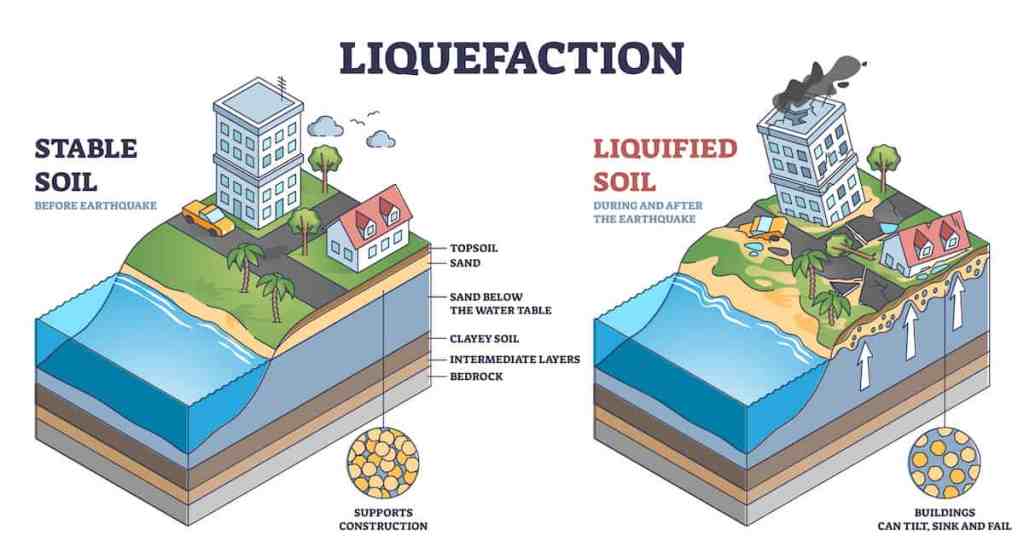
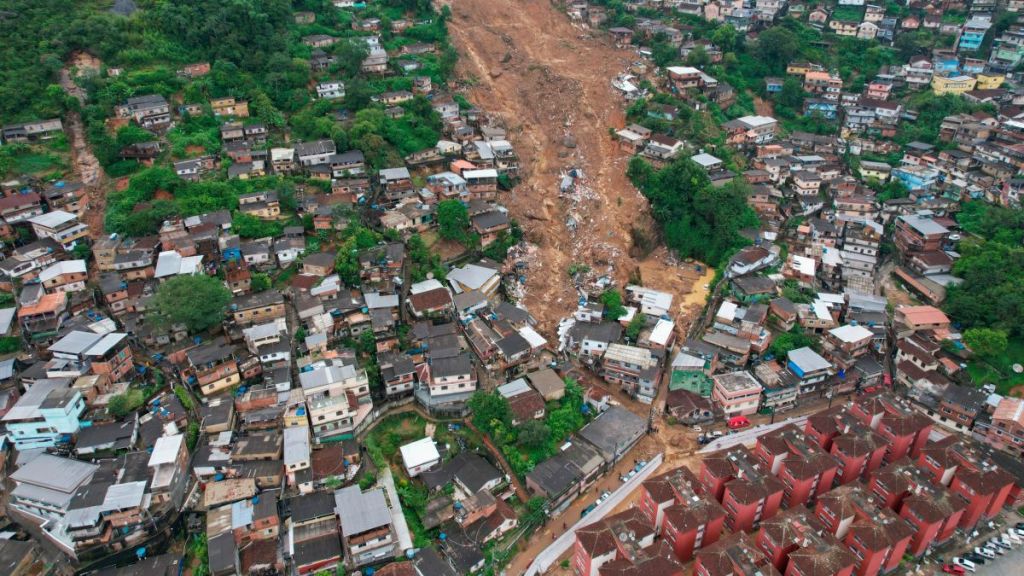
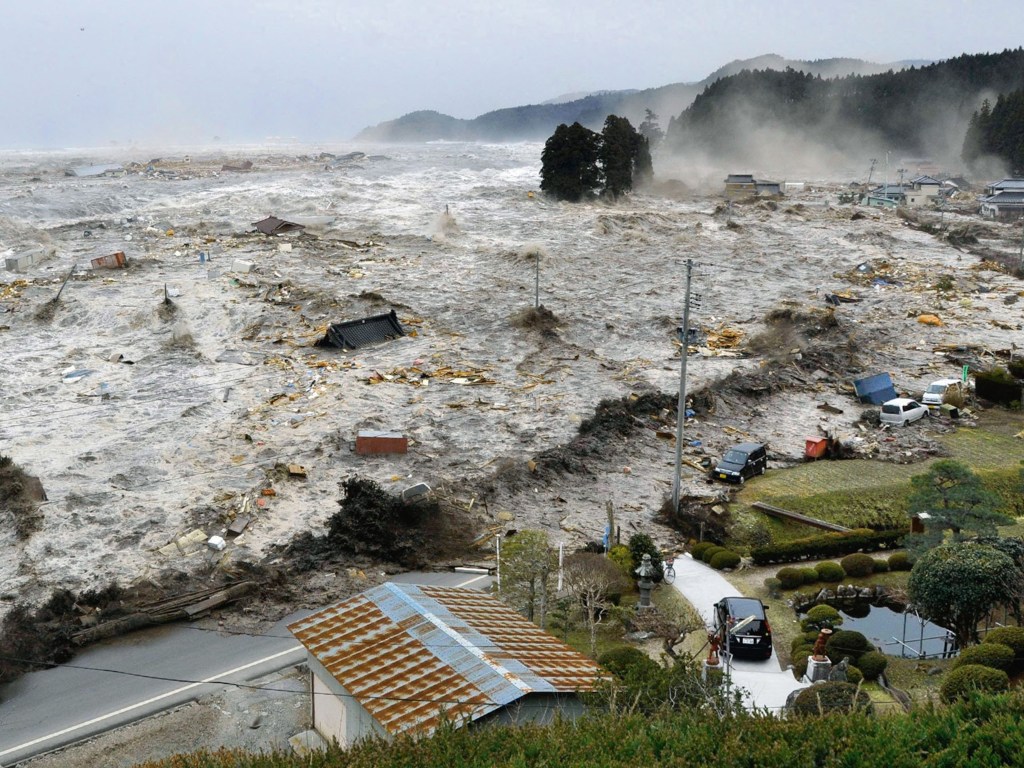
Earthquakes can result in the ground shaking, soil liquefaction, landslides, fissures, avalanches, fires and tsunamis. ( https://www.who.int/health-topics/earthquakes#tab=tab_1 )
•SOIL LIQUEFACTION
•LANDSLIDES
•TSUNAMI
Earthquakes: What to Do?

COVER your head and neck (and your entire body if possible) underneath a sturdy table or desk. If there is no shelter nearby, get down near an interior wall or next to low-lying furniture that won’t fall on you, and cover your head and neck with your arms and hands.
HOLD ON to your shelter (or to your head and neck) until the shaking stops. Be prepared to move with your shelter if the shaking shifts it around. ( https://www.cdc.gov/disasters/earthquakes/during.html )
 Site Title
Leave a comment